

So your periods have stopped for 12 months — you’re officially in menopause.
But what does that actually mean for your body? Beyond the end of monthly cycles, menopause marks a new phase where lower estrogen levels can affect your bones, heart, skin, brain, and more. It’s a transition worth paying attention to, not just for symptom relief, but for long-term health.
We usually think of estrogen as just a hormone for periods and fertility. But when estrogen drops after menopause, the effects ripple through your entire body, even in ways that aren’t obvious at first. That’s why postmenopausal care isn’t just about hot flushes; it’s about understanding what’s shifting under the surface, and knowing what to do next.
Here’s a practical guide to what changes and what you can do.
Estrogen helps maintain bone strength by slowing down the rate at which bones break down. Without it, bone loss accelerates, often silently, until one day, a fall leads to a fracture.
Even small steps now can help prevent fractures later.
Before menopause, estrogen helped keep your blood vessels flexible and your cholesterol in balance. But after menopause, your risk of heart disease increases — gradually, and often without symptoms.
Heart disease is the #1 cause of death in women; this is one of the most important shifts to pay attention to.
Dryness, irritation, more frequent UTIs, or discomfort during sex these are incredibly common after menopause. They’re caused by thinning of the vaginal and urinary tissues due to lower estrogen, a condition called genitourinary syndrome of menopause (GSM).
These symptoms are treatable; you don’t need to just put up with them.
Just because your periods stop doesn’t mean you stop checking.
Even if you’re not experiencing symptoms, staying up to date on these checks is one of the best ways to protect your future health.
This phase of life isn’t about restriction, it’s about support.
Menopause isn’t the end of care; it’s the start of a different kind. One that’s focused on keeping your bones strong, your heart healthy, and your quality of life high for the decades ahead.

Perimenopause is treatable, and you don't need to wait for your periods to stop. What to look for, what the 2026 Singapore guidelines say, and what care costs.

Decreasing oestrogen during menopause can cause rapid changes in skin texture and hydration. We break down the science behind skin changes in menopause, why off-label vaginal creams may cause irritation, and explore options like estriol cream.
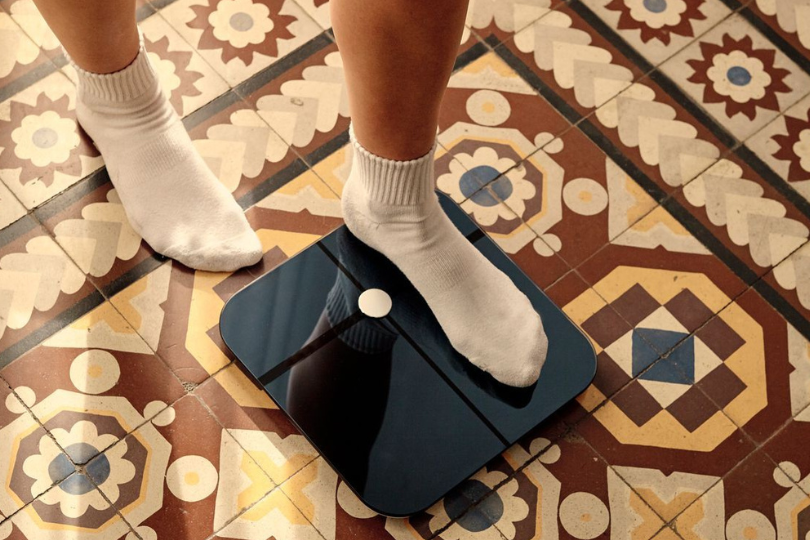
Struggles with midlife weight gain are deeply rooted in perimenopausal hormonal and metabolic shifts rather than a lack of discipline. Here is what can help.









.png)

