

For many women in Singapore, the forties and fifties bring changes that are hard to pin down. Sleep breaks up. Joints ache without any injury to explain it. Energy dips. Clothes fit differently around the middle. When they look for answers, many are told it is probably stress, or find themselves moving between specialists and tests without anyone joining it up.
It does not have to work that way. Knowing how menopause tends to present in Asian women, what the local guidelines say, and what treatments exist puts you in a much better position to get the care you need.
The average age of natural menopause here is 49, usually somewhere between 45 and 55. Menopause itself is confirmed once you have gone 12 months without a period.
Symptoms start well before that. Perimenopause is the transition leading up to menopause, and it can last several years. As your ovaries produce oestrogen and progesterone less predictably, symptoms can begin four to ten years before your final period, often while your cycle still looks completely normal.
Western coverage of menopause focuses heavily on hot flushes and night sweats. Singapore data, including the KKH Guidelines on Management of the Menopause Transition, shows something different.
Joint and muscle aches come first. Stiffness and joint pain are the most commonly reported moderate to severe symptoms among women in Singapore.
Disturbed sleep is a close second. Trouble falling asleep or staying asleep, often driven by hormone levels dropping overnight.
Genitourinary symptoms. Vaginal dryness, discomfort during sex, urinary urgency and recurrent urinary tract infections.
Fatigue and brain fog. Persistent tiredness, memory lapses and difficulty concentrating.
Weight settling differently. Fat moving to the abdomen, driven by falling oestrogen and rising insulin resistance, even when nothing about your diet or exercise has changed.
More than 70% of women in Singapore have moderate to severe symptoms. Nearly 70% never see a doctor about them, often because they assume this is simply ageing rather than something treatable.
Singapore's Guidelines on Management of the Menopause Transition, released in February 2026, set out three principles worth knowing.
Diagnosis is based on symptoms. For women over 45 with typical symptoms, menopause is diagnosed from clinical history. Routine hormone blood tests such as FSH or oestradiol are not needed to confirm perimenopause or to start treatment.
MHT is safe and effective. Menopause hormone therapy is recognised as the most effective treatment for bothersome symptoms, and for preventing the bone loss that follows menopause.
Lifestyle is the foundation, not the whole answer. Nutrition, strength training and managing stress underpin healthy ageing. Where symptoms are affecting daily life, medical treatment should be offered.
The hardest part is often finding a doctor who connects the symptoms back to falling oestrogen.
"You are too young." Women in their late thirties and early forties with brain fog or broken sleep are often told perimenopause is years away.
"Your periods are still regular." Perimenopause gets missed because cycles have not stopped, even though symptoms usually start well before they do.
Limited training. Up to 90% of local primary care doctors say they lack confidence in diagnosing and managing menopause symptoms, because medical training covers very little of it.
Oestrogen receptors sit throughout the body, so when levels fall the effects show up in several places at once. Without a doctor looking at the whole picture, women often get sent around:
Each appointment brings its own blood tests and scans, and each treats one symptom on its own. The thing they have in common goes unnoticed.
MHT replaces the oestrogen your body is no longer making, and adds progesterone where it is needed to protect the lining of the womb. A modern plan uses regulated, body-identical hormones chosen to suit your medical history.
Oestrogen patches and gels. The preferred first choice. Oestrogen absorbed through the skin goes straight into your bloodstream, skipping the liver, which avoids the raised risk of blood clots that came with older oestrogen tablets.
Micronised progesterone. Body-identical, meaning molecularly the same as what your ovaries make. It protects the lining of the womb, has a good safety record for the breast, and is mildly sedating, which helps with sleep.
Vaginal oestrogen. Low-dose creams or pessaries used where the problem is, for dryness, discomfort and urinary infections that keep returning. Almost none of it reaches the rest of your body.
Tibolone. One tablet a day that acts like oestrogen, progesterone and testosterone combined. An option for postmenopausal women dealing with hot flushes, low libido and bone loss, without needing a separate progestogen.
Fezolinetant. A non-hormonal tablet that blocks the brain signal setting off hot flushes and night sweats.
When choosing where to seek care, consider how access, cost, and expertise align with your needs:
Hey Taylor was set up because women in midlife spend too long being passed between clinics before anyone helps them.
Symptoms in midlife rarely arrive one at a time, and our doctors are trained to look at joints, sleep, metabolic changes and hormones together rather than treating each in isolation. Care fits around your life: come to the clinic when you need to be seen in person, or start with a video consultation. Once your treatment is settled, repeat prescriptions go through a short online questionnaire and medication is delivered to your door.
If something falls outside primary care, such as a gynaecological or endocrine condition needing a subspecialist, we say so and refer you directly to the right person.
We offer the full range of licensed, body-identical MHT options, deficiency screening and body composition scans, with nett prices published in full:
Coverage depends on the type of care and on your own insurance or employer benefits.
Mammograms and breast ultrasounds. These may be MediSave-claimable when done to investigate or follow up an existing medical finding, subject to MediSave rules and your eligibility.
Consultations and general tests. Outpatient menopause consultations and MHT prescriptions are generally not claimable under MediSave or CHAS. They may be reimbursable under some private or corporate health insurance plans, and we provide itemised receipts and clinical memos to support claims where these are needed.
Screen for Life cervical screening. Eligible women can have CHAS-subsidised HPV screening at our clinic, typically at $5 before GST.
MHT and HRT. Most insurance providers do not cover MHT. If your employer offers benefits such as Carrot Fertility, you may be able to claim. Hey Taylor is a recognised provider for eligible menopause claims.
Perimenopause and menopause represent a natural biological transition. While women in Singapore may not felt like they had support and options, things are changing. You don't have to put up with your symptoms.

Decreasing oestrogen during menopause can cause rapid changes in skin texture and hydration. We break down the science behind oestrogen depletion, why off-label vaginal creams may cause irritation, and explore options like estriol cream.
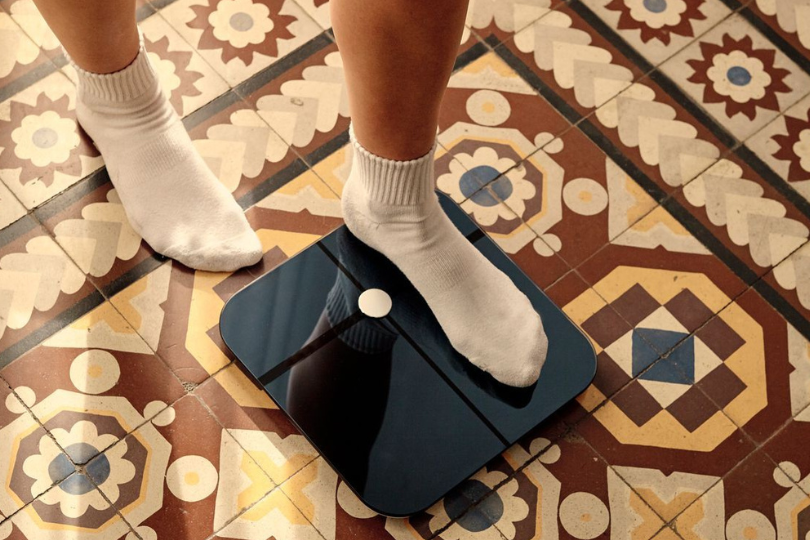
Struggles with midlife weight gain are deeply rooted in perimenopausal hormonal and metabolic shifts rather than a lack of discipline. Here is what can help.
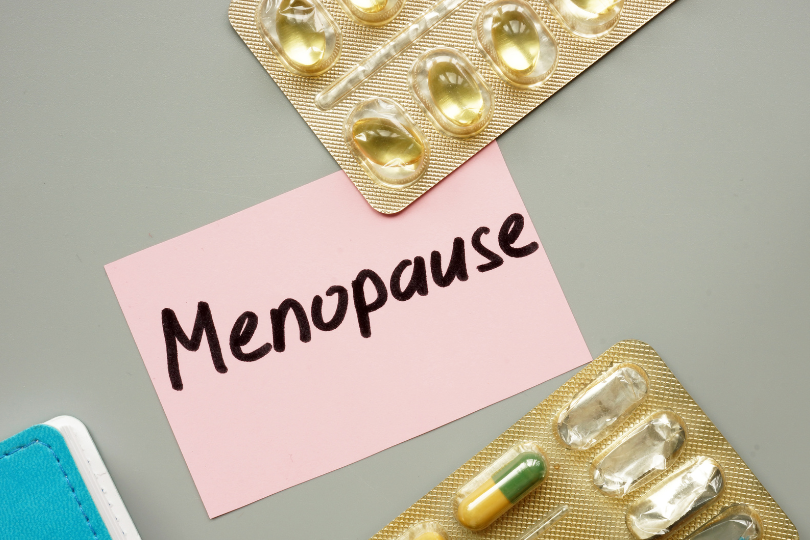
A guide to how menopause hormone therapy (MHT / HRT) works, the different options available in Singapore, what they cost, and whether MHT may be suitable for you.



%20(680%20x%20250%20px)%20(1).svg)

