Dedicated care for the menopausal transition

Get the midlife care you deserve — with the prescriptions, guidance, and screenings to help you feel like yourself again.

The Taylor Difference

Perimenopause & Menopause Relief

Hot flashes. Joint aches. Erratic bleeding. These changes often begin years before your periods stop. We help you understand what’s happening — and find relief that fits your body.

Whole-Person Care for Midlife

Hormonal shifts in midlife can quietly affect your bone density, heart health, and skin. Get personalised, preventive care to support your long-term health.

Get your care in 3 ways

From expert guidance to medication and health insights — our care meets you where you are.
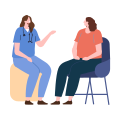
Talk to a menopause doctor
Expert advice and treatment plans for your symptoms. In-person or online.
Book a consult
Start or refill menopause hormone therapy
Video consults for prescriptions. Medication delivered to your door.
Get HRT
Book a menopause screening
Screening for hormones and key health markers like weight and bone density.
View packages

Our approach to care

Focused Menopause Care

Care designed specifically for perimenopause and menopause. Our clinicians are trained to recognise how symptoms across different parts of the body relate to hormonal changes, and to treat them together.

Affordable and Accessible

Consultations cost $74.10 nett, with pricing designed for ongoing care rather than one-off visits. We aim to keep waits short, with a 5-minute maximum wait policy so care is timely and predictable.

In-person and online

Care that adapts to your needs. We meet you where you are — with video consultations when appropriate, in-clinic care when needed, and easy online refills. Women’s health scans, when recommended, are arranged through trusted partner centres.

Your symptoms are real. So is relief.

Joints

Weight

Sleep

Hot Flashes

Period Changes

Mood & Memory
Hair
& Skin

Sexual Health

Not sure where to begin?

Start with a brief menopause assessment. Our care team will review your responses and guide you on next steps, so your care starts in the right place.

The Taylor Menopause Protocol

Address the root cause

Menopause Hormone Treatment
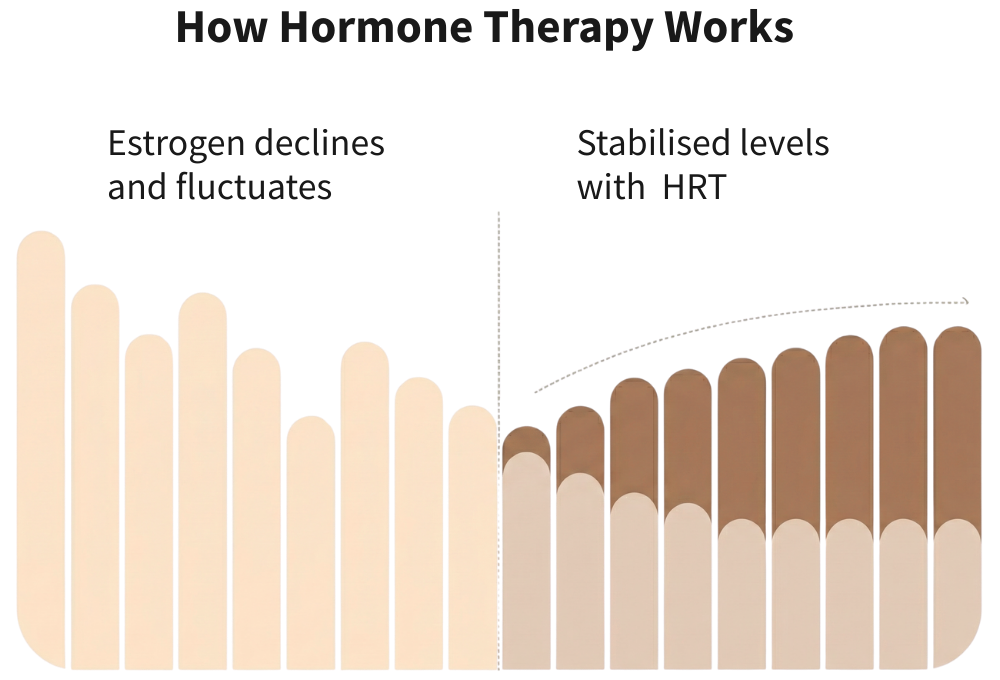
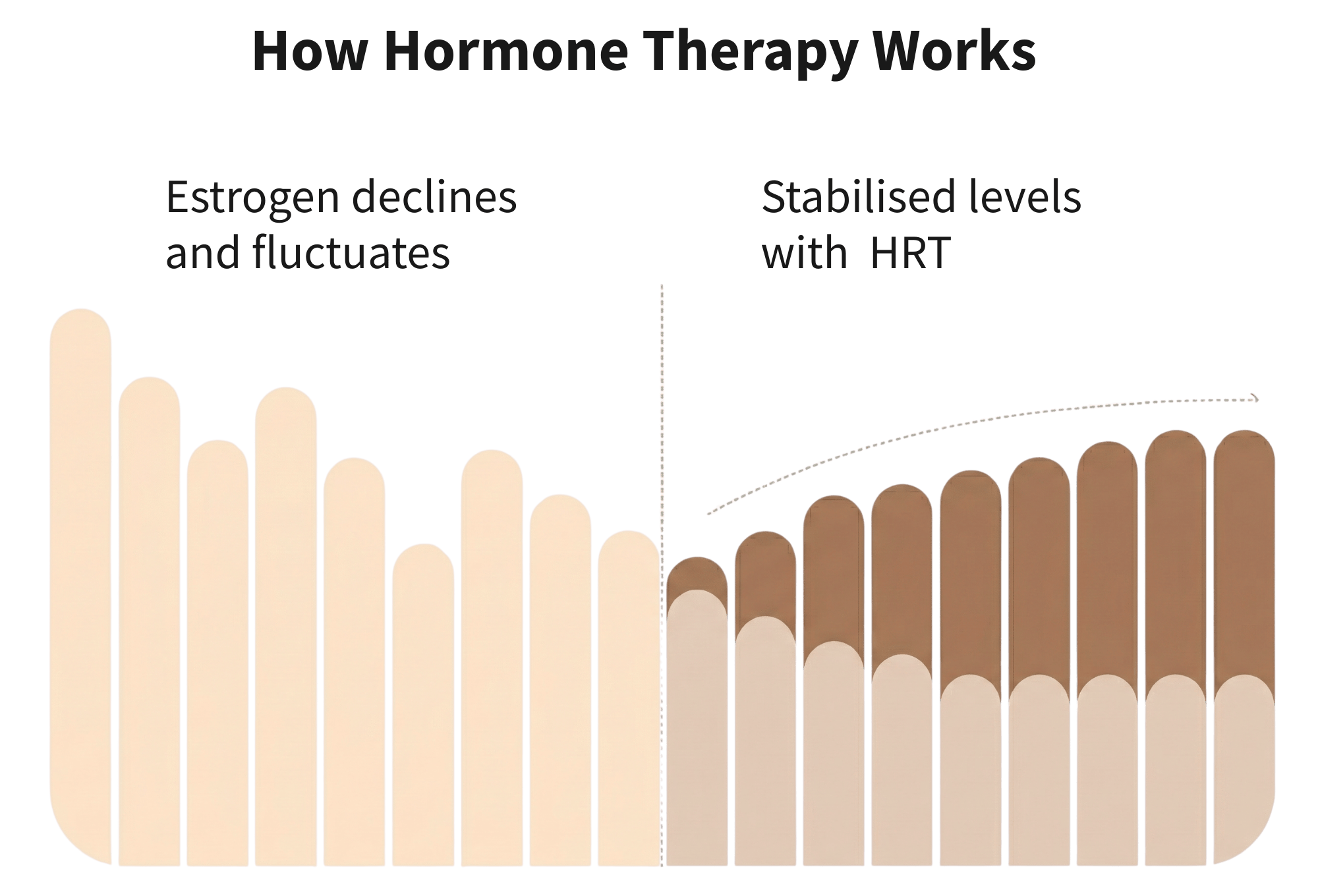
Falling estrogen can disrupt your sleep, mood, and rhythm—but you don’t have to just accept it. Menopause hormone therapy (MHT/HRT) is designed to replenish these declining levels, addressing the root cause to smooth out fluctuations and bring your body back into balance.

Relief without hormones

Non-Hormonal Medications
Hormone therapy isn't your only option. These medications recalibrate your brain’s temperature control center to reduce overheating—offering relief from hot flashes and night sweats without affecting your hormone levels.

Support the whole you

Supplements, Lifestyle & Allied Care
Feeling like yourself again starts with looking at the whole picture. That’s why we offer medical guidance on evidence-based supplements and lifestyle strategies, with access to allied health experts like dietitians, physiotherapists, and coaches when needed. Everything is coordinated, so your care works together.
Perimenopause
Menopause
Weight
Sexual Wellness
Sleep
Hair & Skin
MENOPAUSE
Oestrogen is everywhere.
Until it Isn’t.
What we weren’t taught in science class: Oestrogen receptors are found throughout the body — in the brain, bones, skin, heart, and more. That’s why when estrogen levels plummet at menopause, the physical, mental and emotional symptoms can be life-changing. Hey Taylor is here to get you the relief you deserve, and help protect your heart, bones, brain, and metabolism for years to come.
Next: Perimenopause
Perimenopause
Menopause
Weight
Sexual Wellness
Sleep
Hair & Skin
PERI-MENOPAUSE
The Hormonal Rollercoaster
Feeling off but still getting your period? You’re not alone. Menopause symptoms often start 2–8 years before your period stops, a phase called perimenopause. During this time, estrogen doesn’t drop in a straight line — it fluctuates unpredictably as it declines. That’s what brings on hot flashes, joint pain, poor sleep, mood swings, weight changes, and unpredictable periods. The good news? Hey Taylor has real solutions for all of it.
Next: Weight
Perimenopause
Menopause
Weight
Sexual Wellness
Sleep
Hair & Skin
WEIGHT
The “Why” Behind the Weight
Hormones have everything to do with midlife weight gain. As estrogen and other hormones start to drop, your body can change — even if your diet and exercise haven’t. You might feel hungrier than usual, find it harder to hold onto muscle, or notice weight settling around your middle. You’re not alone: 83% of Hey Taylor patients say they’ve experienced weight gain or changes to their body in midlife. We’re here to help you get back to you.
Next: Sexual Wellness
Perimenopause
Menopause
Weight
Sexual Wellness
Sleep
Hair & Skin
SEXUAL WELLNESS
It’s Not You, It’s Your Estrogen.
When estrogen drops, your intimate health can take a hit. Estrogen helps keep the tissue in your vagina, vulva, and bladder healthy and well-lubricated. As levels decline in midlife, that tissue can become thinner, drier, and more sensitive. The result? Vaginal dryness, irritation, UTIs, a constant urge to pee — and for many women, sex becomes painful. At Hey Taylor, we treat the root causes with both hormonal and non-hormonal options, so intimacy feels good again.
Next: Sleep
Perimenopause
Menopause
Weight
Sexual Wellness
Sleep
Hair & Skin
SLEEP SCIENCE
The Hormone–Sleep Connection
Sleep issues affect nearly half of women during perimenopause, and over 60% after menopause. Hormonal shifts, hot flashes, and age-related changes in sleep patterns are just some of the reasons so many women find themselves wide awake at night. Here’s the good news: Solving sleep issues benefits every part of your health, from your weight to your heart and brain—and our clinicians have the tools to help.
Next: Hair & Skin
Perimenopause
Menopause
Weight
Sexual Wellness
Sleep
Hair & Skin
HAIR & SKIN
Midlife, Meet Your New Routine
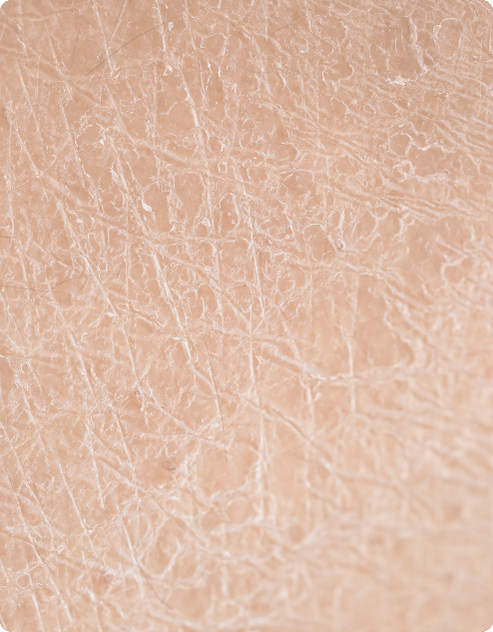
As estrogen levels shift in midlife, your body changes too — and for many women, it shows up first in the skin and hair. You might notice drier, thinner skin or more hair shedding than usual. That’s because lower estrogen affects collagen, moisture, and hair growth all at once. At Hey Taylor, we help you make sense of it. Our clinicians create personalised Care Plans based on what your body needs now — science-backed, and made just for you.
Next: Menopause

Frequently Asked Questions

Medically reviewed by
Dr. Jody Paige Goh, MBBS,
Chief Medical Officer
Last reviewed 11 August 2026

What is perimenopause, and menopause?

Perimenopause is the transition leading up to menopause. During this time, ovarian function changes and hormone levels, particularly oestrogen and progesterone, fluctuate. Periods may become irregular or unpredictable, and women may experience a range of physical, cognitive and emotional symptoms.

Menopause is defined as the permanent cessation of menstrual periods. It is confirmed retrospectively after 12 consecutive months without a period.

Age of menopause: The median age of natural menopause in Singapore is around 49 years, slightly earlier than the commonly cited global average of around 51 years.

Age of perimenopause: Perimenopause can begin two to ten years before the final menstrual period, with symptoms sometimes appearing in a woman's late 30s or 40s.

Early menopause and Premature Ovarian Insufficiency (POI): Natural menopause typically occurs between 45 and 55 years. Menopause occurring between 40 and 44 years is generally termed early menopause. When ovarian function is lost before the age of 40, this is known as POI (Singapore Menopause Guidelines; International Menopause Society)

Am I in perimenopause? How does it feel like?

Perimenopause can feel very different from woman to woman. For many, the most general feeling is simply: “I don’t feel like myself.”  Many assume it is just stress or aging.

Here are some common signs to look out for:

  • Cycle changes: Shorter or longer cycles, heavier flow, or skipped periods
  • Sleep issues: Trouble falling asleep, or waking consistently around 3 am
  • Vasomotor symptoms: Night sweats and hot flushes
  • Musculoskeletal symptoms: Joint aches, stiffness, and discomfor
  • Mood shifts: Anxiety, irritability, or low mood
  • Intimate health: Vaginal dryness or discomfort during sex

You do not need to experience all of these. Many women only notice two or three symptoms (British Menopause Society; International Menopause Society;).

Could I still be in perimenopause if my periods are regular?

Yes, while it is common for women to experience changes in their menstrual cycle, you can be start experiencing perimenopausal symptoms even if your periods are regular.  

During early perimenopause, oestrogen and progesterone do not decline steadily; they fluctuate unpredictably. These erratic hormone surges and drops can trigger perimenopausal symptoms, even when ovulation is still occurring regularly enough to produce a monthly bleed. A regular period alone shouldn't rule out perimenopause, especially if you're in your 40s (International Menopause Society).

Could I still be in perimenopause if I have never experienced a hot flush?

Yes, absolutely. You can definitely be in perimenopause even if you have never experienced a single hot flush.  

In western countries, the classical symptom of perimenopause is hot flushes and night sweats. However, perimenopause symptoms for Asian women can differ. Based on studies in Singapore, the top symptoms in order are as follows:

  1. New-onset musculoskeletal symptoms (joint aches, pain, and stiffness)  
  2. Disturbed sleep (trouble falling asleep or waking up around 3 am)  
  3. Genitourinary symptoms (vaginal dryness or discomfort)  
  4. Physical and mental exhaustion (fatigue, feeling less motivated than before)
  5. Vasomotor symptoms (hot flushes and night sweats)  

Do I need blood tests or scans to diagnose perimenopause?

Most women experiencing perimenopausal symptoms do not need blood tests to diagnose perimenopause or to start menopause hormone therapy (MHT/HRT). Diagnosis is usually based on your symptoms, menstrual changes and medical history.

However, some symptoms can overlap with other conditions, such as thyroid problems or iron deficiency. Where appropriate, our doctors may recommend targeted blood tests to rule out other possible causes or contributing factors.

If you are in your late 30s or early 40s, hormonal blood tests may sometimes be useful as part of the assessment, particularly when your symptoms or menstrual changes raise the possibility of early menopause or POI (premature ovarian insufficiency).

How do I know if I am suitable for Menopause Hormone Therapy (MHT / HRT)?

For healthy women under 60, or within 10 years of menopause onset, MHT is considered safe and effective for easing symptoms and preventing bone loss
(Australisian Menopause Society). However, MHT may not be suitable if you have any of the following contraindications:

  • Unexplained vaginal bleeding that hasn’t been checked yet
  • Current or past breast cancer, or concerns about oestrogen-sensitive breast cancer
  • Certain hormone-sensitive cancers, such as cancer of the uterus
  • A history of blood clots (for example in the legs or lungs)
  • Recent heart or stroke-related conditions
  • Active liver problems
  • Thickening of the womb lining that hasn’t been treated
  • Very high or poorly controlled blood pressure
  • A known or suspected pregnancy

For most women, you don’t need blood tests to start or continue MHT. We do ask for a mammogram from the past year to check for breast cancer, as having breast cancer would generally mean MHT is not suitable. If you already have a recent mammogram, we’ll review it with you. If not, we can help arrange one before you start MHT.

What can I do if I do not want to take hormones?

If MHT isn’t suitable for you, or you prefer not to take hormones, there are several options to help manage menopause symptoms.

Prescription treatment: Fezolinetant is a non-hormonal medicine that works on the brain’s temperature-regulating system to reduce hot flushes and night sweats.

Vaginal symptoms: Non-hormonal vaginal moisturisers and lubricants can help with dryness and discomfort during sex. (KKH Menopause Guidelines)

Clinically selected supplements: : We offer selected supplements that include plant-derived compounds that can act selectively on oestrogen receptors to provide relief for symptoms. We can also offer supplements for specific concerns such as sleep, joint discomfort and hair loss.

Cognitive Behavioural Therapy: Cognitive behavioural therapy (CBT) can help with sleep problems, anxiety and the distress associated with hot flushes.

Weight and metabolic support: Where appropriate, we can also provide nutrition, exercise and GLP-1 medical support for midlife weight and metabolic changes.

Non-hormonal treatments don’t replace the hormones lost during menopause, but they can provide meaningful relief from specific symptoms.

Does perimenopause cause weight gain and what can I do?

Ageing is the main driver of midlife weight gain, while hormonal changes in perimenopause change where fat is stored and make it harder to shift. As we age, we naturally lose muscle, so we burn fewer calories at rest. The same diet and exercise that worked in our 30s may no longer produce the same results.

Perimenopause adds another layer. Falling oestrogen shifts fat towards the belly and can make the body less responsive to insulin, making weight management harder. Diet and exercise still matter, but strength training is key to preserving muscle and metabolic health.

MHT can help by treating symptoms that make healthy habits harder. Poor sleep and joint pain can make it harder to eat well and stay active. By relieving these symptoms, MHT may help with activity, appetite and healthy habits. Some studies also suggest modest benefits for body composition and blood sugar control, but MHT is never prescribed for weight loss alone (International Menopause Society).

The Midlife Weight Management Screening  assesses your metabolic health and body composition. Depending on your needs, this may include dietitian support or prescription weight-management medications such as GLP-1s.

I'm in postmenopause but I still don't feel like myself. What options do I have?

You don’t have to simply put up with symptoms after menopause. Hot flushes, sleep problems, mood changes, vaginal symptoms and other concerns can persist after your periods stop, and there are still treatment options available.

  • Systemic Menopause Hormone Therapy (MHT): For healthy women under 60, or within 10 years of menopause, MHT is generally considered safe and effective when there are no contraindications. Starting MHT later in life requires a more individualised assessment of the potential benefits and risks.
    (International Menopause Society;)
  • Tibolone: A prescription option designed for postmenopausal women that can help with hot flushes and other menopausal symptoms. It has oestrogen-like, progestogenic and androgenic effects. (British Menopause Society)
  • Vaginal treatment: Vaginal dryness, discomfort during sex and urinary symptoms can persist or develop after menopause. Vaginal oestrogen is a highly effective local treatment with minimal systemic absorption and can usually be used long term. (KKH Menopause Guidelines)
  • Non-hormonal options: If MHT isn't suitable or you prefer not to take hormones, options such as fezolinetant, cognitive behavioural therapy and other symptom-specific treatments may help. (International Menopause Society)

How do I know if I should see Hey Taylor, a gynaecologist or a general GP?

Choosing the right healthcare provider depends on your symptoms and the type of care you need:

  • When to see a General GP: A GP is a good first point of contact for general health concerns and routine illnesses, but may not have menopause-specific experience and expertise.
  • When to see a Gynaecologist: A gynaecologist specialises in surgical interventions, for conditions such as severe endometriosis, large uterine fibroids, complex ovarian cysts or post-menopausal bleeding requiring surgical evaluation.
  • When to see Hey Taylor: Hey Taylor provides focused, doctor-led perimenopause and menopause care. Our clinicians assess how hormonal changes may be contributing to symptoms across different areas of health. We offer MHT across 11 licensed options, non-hormonal treatment options and targeted metabolic screening. No GP referral is required.

How much does a menopause consultation and care cost at Hey Taylor?

Test, screen or treatment Price (nett)
Consultation
Consultation, 20 minutes, video or in clinic
Price $74.10
Hormone Testing
Perimenopause Screen Ovarian reserve (AMH), FSH, oestrogen (estradiol), plus a review consultation with a menopause doctor
Price $204.90
Thyroid Function TSH, FT4
Price $43.60
Testosterone
Price $38.15
Progesterone
Price $38.15
Deficiency & Bone Health
Vitamin D
Price $65.40
Comprehensive Deficiency Screen Ferritin, iron, TIBC, % iron saturation, transferrin, vitamin B12, folate, vitamin D, free T4, TSH, magnesium, zinc
Price $263.78
Bone Mineral Density Screen (DEXA)
Price $141.70
Breast Health Screening
Mammogram
Price $239.80
Breast Ultrasound
Price $152.60
Mammogram with Breast Ultrasound
Price $305.20
Menopause Hormone Therapy
MHT Medication (if prescribed) 11 types of MHT including patches, gels, tablets. For a detailed breakdown of MHT prices, see here.
Price ~$60.00 – $70.00 / month
(for oestrogen and progesterone)
If you'd rather not take hormones
Fezolinetant tablets
Price $106.80 / month

All prices are nett and inclusive of GST. Last updated 11 August 2026.

Do I need a referral to see a doctor at Hey Taylor?

No. We are GPs trained specially in menopause and women's health. You can book directly with us (no GP referral is required).

You can visit our clinic at SBF Medical Suites in Tanjong Pagar, or start with a video consultation from home.

Is menopause care covered by MediSave, CHAS, or insurance in Singapore?

Coverage depends on the type of care and your individual insurance or employer benefits.

  • Mammograms & breast ultrasounds: May be MediSave-claimable when performed to investigate or follow up on an existing medical finding, subject to MediSave rules and eligibility.
  • Consultations & general tests: Outpatient menopause consultations and MHT prescriptions are generally not claimable under MediSave or CHAS. They may, however, be reimbursable under some private or corporate health insurance plans. We provide itemised receipts and clinical memos to support insurance claims where required.
  • Screen for Life (SFL) cervical screening: Eligible women can receive CHAS-subsidised HPV screening at our clinic, typically at $5 before GST.
  • MHT / HRT: Most insurance providers do not cover MHT. However, if your employer provides benefits such as Carrot Fertility, you may be able to claim for MHT. Hey Taylor is a recognised provider for eligible menopause claims.

How quickly can I get an appointment?

We offer same-week appointments, with both in-clinic and video consultations available.

We know your time is valuable, so we promise to keep consultation wait times to no more than 5 minutes.

For MHT refills, you generally only need a consultation once a year, unless you need to change your dose or medication. In between consultations, you can request your refill through a free online questionnaire.

Medically reviewed by Dr. Jody Paige Goh, MBBS, Chief Medical Officer
Last reviewed 9 August 2026

Your Medical Home

Every stage of a woman’s life brings with it another dimension to uncover about her identity and biology. As her needs change, her healthcare journey starts again, closing one chapter and opening the next. Each chapter requires moving across clinics and hospitals, sharing and baring herself to different providers, with little clarity or control.

It’s time to look at her story as a continuous one - one that connects and embraces her life stages, that cares for her health and wellbeing beyond a visit, that looks after her needs first, and one in which her healthcare is not difficult or fragmented. As a healthcare provider designed by women for women, Taylor brings to her story ease, seamlessness and empowerment.

The most logical type of healthcare for her is what she deserves all along - an integrated healthcare provider that cares for her with empathy and holistically, through her life’s transitions, for life.

Healthcare for her is simply as it should be.

Taylor's Founding Team:
Eve (CEO), Dr. Jody (CMO) & Patrina
(Brand Lead)
Taylor's Founding Team:
Eve (CEO), Dr. Jody (CMO) & Patrina (Brand Lead)
WhatsappEmail

Let's keep in touch.


160 Robinson Road, #04-09 Singapore Business Federation Center, Singapore 068914
© 2023 Hey-Taylor Pte. Ltd. All rights reserved.

Thank you!
We'll get in touch really soon.
Oops! Something went wrong while submitting the form.
Licensed by Singapore's Ministry of Health