This content is designed to offer practical tips and should not be considered a substitute for medical advice.
Understanding when you’re ovulating is one of the most important steps to maximise your chances of conceiving. Ovulation is the key event in your menstrual cycle when an egg is released, ready to be fertilised. Without ovulation, conception simply can’t happen.
Many people assume ovulation is simple or common sense—just somewhere in the middle of your cycle, right? But the truth is, ovulation isn’t as predictable or straightforward as it seems, and misconceptions about it can make it harder to conceive. Here’s why understanding ovulation is so important:
- Ovulation Isn’t Always Mid-Cycle: While ovulation often occurs around Day 14 in a 28-day cycle, not everyone has a textbook cycle. Ovulation can vary, even for those with regular periods, and is even harder to predict for those with irregular cycles.
- Egg’s Short Lifespan: Once released, the egg only survives for about 24 hours. This makes timing crucial—sperm needs to be present and ready to fertilise the egg during this narrow window.
- Sperm’s Survival Advantage: Sperm, however, can live up to 5 days in the female reproductive tract. This means having sex in the days leading up to ovulation ensures sperm is already there, waiting when the egg is released.
- Irregular Cycles Can Make Timing Harder: If your cycles are irregular, it can be tricky to predict ovulation without tracking. Identifying key signs like cervical mucus changes and basal body temperature (BBT) gives you a clearer picture of your fertile days.
- Better Planning: By tracking ovulation, you’ll not only know the best times to try for a baby but also understand your cycle better, which can help in identifying any underlying issues affecting fertility.
- TTC Isn’t Instant: It’s normal for conception to take time. Tracking ovulation ensures you’re optimising your chances each cycle, even if it doesn’t happen immediately.
Understanding ovulation can make all the difference, especially if you’re feeling discouraged after months of trying. Sometimes, it’s simply a matter of timing—learning to recognise your body’s natural signals can help you take back control and give you the confidence to keep moving forward on your journey to parenthood.
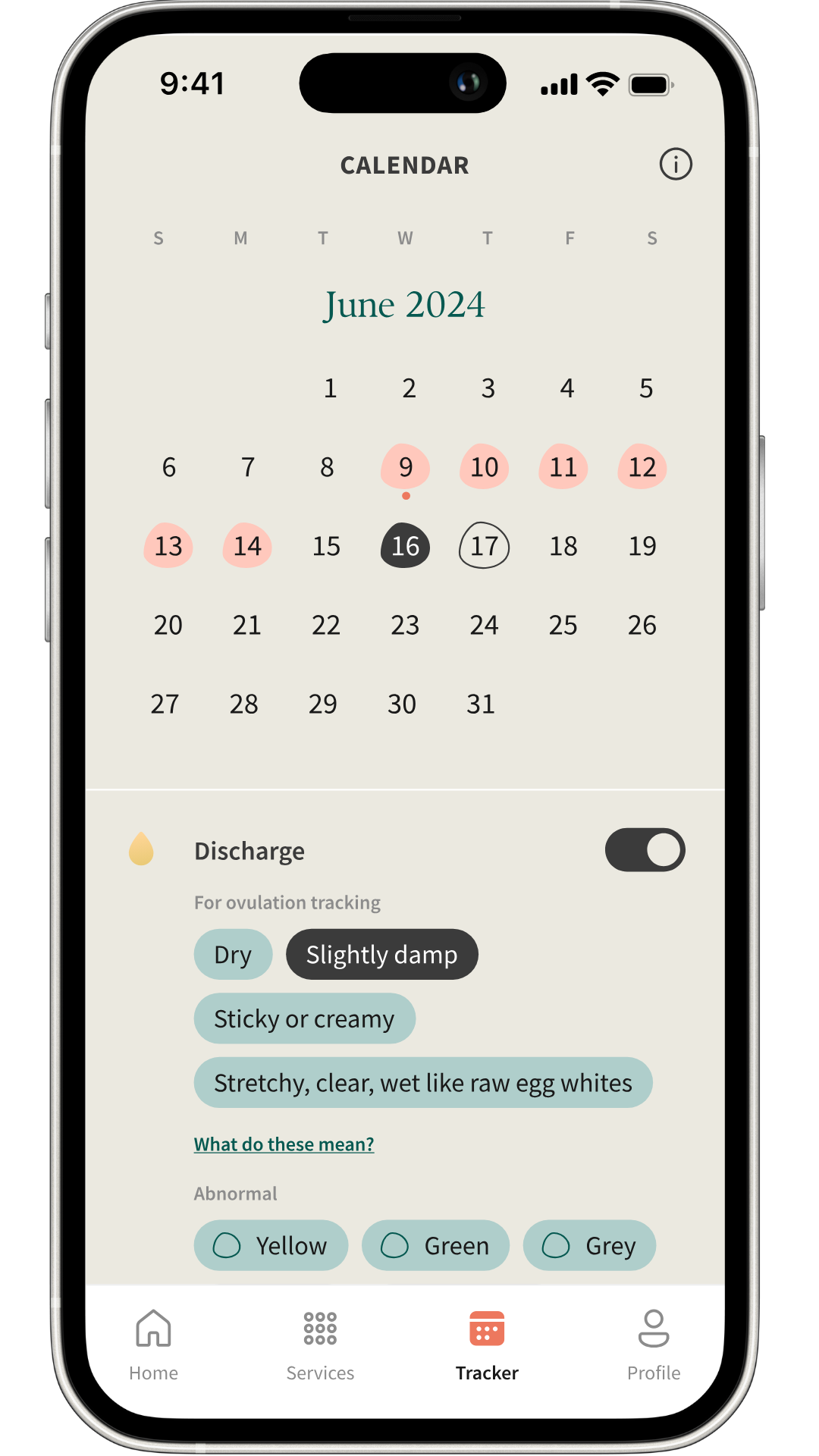
Cervical mucus is one of the clearest signs of fertility. It changes in texture and appearance as ovulation approaches:
💡 How to Check: Wipe with clean tissue before urinating or observe mucus on your underwear. Record changes daily using an app like Taylor to help you identify patterns over time.
- Dry Days (usually after your period): You’ll likely feel dry. The tissue will stay clean with no visible mucus or dampness.
- Damp Days (as your cycle progresses): You might notice slight dampness, but it’s minimal and doesn’t feel slippery. Mucus is barely noticeable, and there’s little to no stretch.
- Sticky or Creamy Days (your fertile window): The mucus becomes thicker and feels stickier or creamy, similar to lotion. It may appear white or slightly yellowish but still won’t stretch between your fingers.
- Raw Egg White Day (the day of ovulation): A wet, slippery sensation that’s hard to miss. Mucus will be clear, stretchy, and resemble raw egg whites. It can stretch a few centimetres between your fingers without breaking—this is when you’re most fertile!
Note on Irregular Discharge
Most cycles only have one fertile window. If you notice discharge that looks like fertile mucus more than once, it may be due to:
- Second Estrogen Surge: Sometimes the body tries to ovulate again after an unsuccessful attempt. This can happen with conditions like Polycystic Ovarian Syndrome (PCOS) or hormonal imbalances.
- Sexual Arousal: Can produce wet, slippery discharge, but it’s not linked to ovulation.
- Vaginal Lubrication: Activities or hormonal changes can cause temporary wetness unrelated to fertility.
Discharge might be abnormal if it has:
- Unusual Colours: Yellow, green, or grey.
- Offensive Odour: Strong, unpleasant smells.
- Other Symptoms: Itching, burning, or irritation, which could indicate infections like bacterial vaginosis, a yeast infection, or a sexually transmitted infection (STI).
💡 When to Seek Help: If your discharge has these abnormal features, it’s a good idea to consult a healthcare provider for further evaluation.
Tracking your cervical mucus is a simple yet powerful way to understand your body and identify your fertile days. With Taylor's app, you'll receive clear guidance on what we determine could be your fertile window. Over time, you’ll become more familiar with recognising your mucus patterns and understanding what’s normal for you.
BBT is your body’s lowest temperature at rest. It slightly increases (by 0.2–0.6°C) after ovulation due to a rise in hormone levels that occurs post-ovulation.
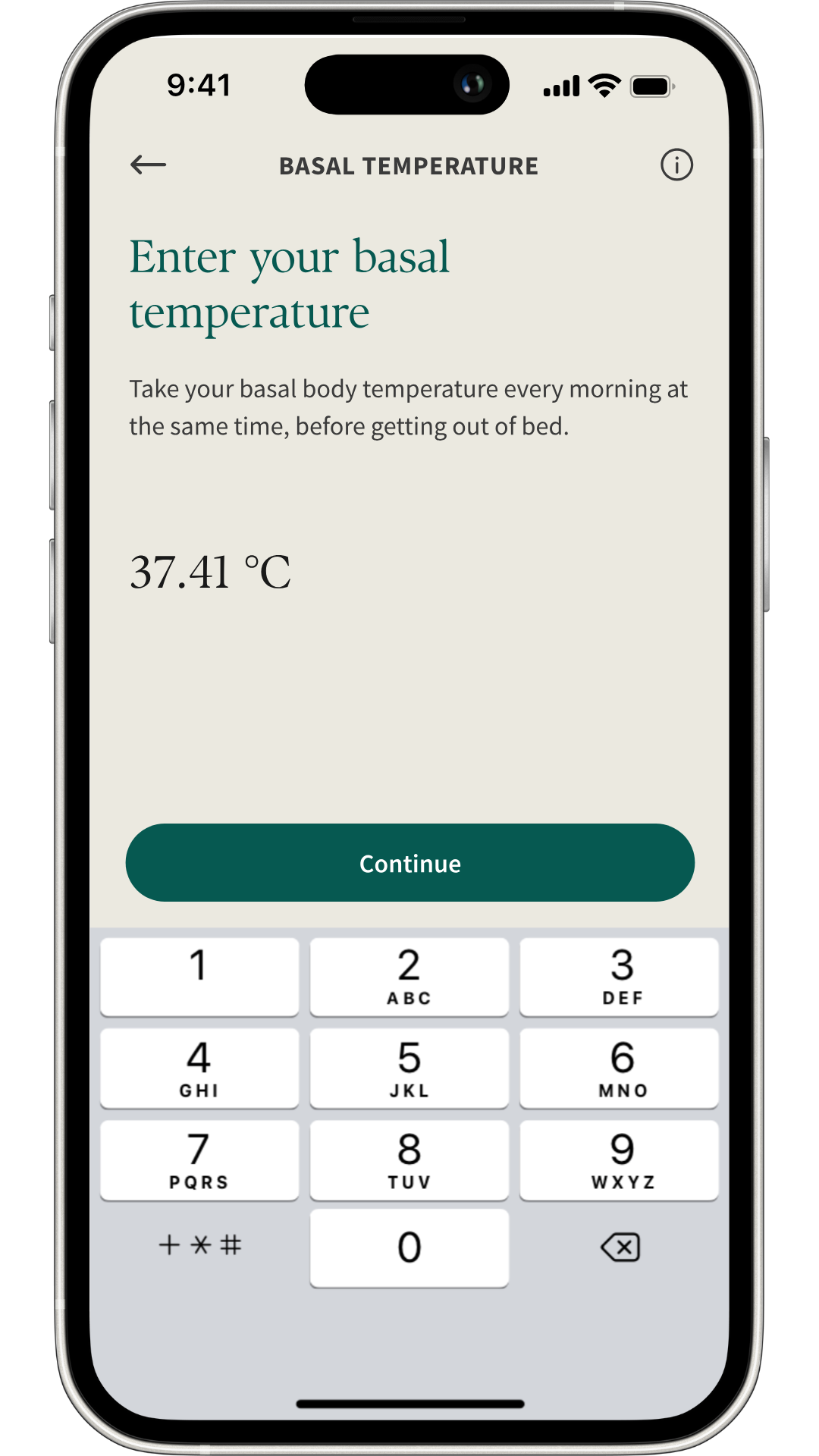
- Take Your Temperature: Use a thermometer that shows two decimal places and measure your temperature as soon as you wake up, before getting out of bed or moving around. Record this in the Taylor app.
- Look for a Temperature Rise: After ovulation, your temperature will increase slightly and stay higher for several days. This consistent rise confirms that ovulation has happened.
- Note that sleep, illness, or alcohol can affect BBT. Aim for consistent conditions when measuring your BBT.
💡BBT tracking shows ovulation after it has already happened. By combining it with cervical mucus tracking, you can learn to recognise the signs leading up to ovulation and better identify your fertile window in future cycles.
Once you’ve identified your fertile window, timing is key:
- Best Approach: Have sex once a day during the 4-5 fertile days leading up to ovulation (your fertile window) and on ovulation day—this is ideal if sperm health is normal.
- If Sperm Count is Low: If your partner has a low sperm count (oligospermia), try every other day during the fertile window to allow sperm to replenish.
- Throughout the Month: Since ovulation isn’t always easy to predict, having sex 2-3 times a week, every week, ensures you don’t miss your fertile days.
Be Patient and Consistent
Conception often takes time, and it’s perfectly normal not to conceive straight away. By focusing on understanding your body’s natural signals and timing things right, you’re giving yourself the best chance of success. You’re on the right path—trust the process! 🌟
If you’re trying to conceive and want to take control of your fertility, consulting a doctor can help you take proactive steps and gain important insights. If you’re experiencing irregular or painful periods, seeking medical advice is essential, as these issues could point to underlying conditions that might affect your fertility.
For couples who have been trying to conceive for several months without success, a fertility screening is a practical next step. This can help uncover any fertility challenges and provide a clear plan for moving forward.
Cervical mucus tracking can take some time to get the hang of, and it’s okay if you’re unsure. Pairing it with blood tests or other medical evaluations can make things clearer. If you feel like you need extra support or confirmation, don’t hesitate to reach out for help.
As a side note: If you’re thinking of using cervical mucus tracking as a contraceptive method, it’s always best to speak with a healthcare professional first. They can guide you on how to use it effectively and explore what works best for you.
This is what we suggest based on your symptoms.